

Choosing the Right Corner
A reading nook does not need a whole room. In most British homes, the best spots are the ones you already walk past without noticing: an alcove beside a chimney breast, the dead space at the end of a landing, the shallow recess under the stairs, or the sunny corner of a bay window. What you are looking for is a space roughly a metre wide that is tucked away from the main traffic of the house, so you can settle without feeling like you are sitting in a corridor.
Before you commit, sit on the floor there for five minutes at different times of day. Notice whether a radiator blasts hot air at your ankles, whether a door swings into the space, and where the draught comes from. A nook that is cold or in the way will never get used, no matter how pretty it looks. If the corner is chilly, a simple door snake sewn from leftover fabric and filled with rice will do more for your comfort than any amount of cushions.
Start with Comfortable Seating
Everything else in the nook is decoration until the seat is right. You want something you can sink into for an hour with a book and a mug of tea without your back complaining. A second-hand wingback armchair is ideal if you can find one — they are sturdy, they block draughts, and a good clean and a throw over the top hides most sins. Charity shops, car boot sales and auction houses regularly sell them for the price of a takeaway.
- Armchair: check the seat height suits your legs; your feet should rest flat on the floor, or on a footstool.
- Pouffe or footstool: a handmade knitted cover turns a plain one into something you want to look at.
- Window seat: if you have a bay, a foam cushion cut to fit and covered in a sturdy cotton will transform the sill.
- Floor cushion: a good option for children's reading corners, and easy to sew from two squares of fabric with a zip.
If space is tight, a slim bench with a plywood back and a wedge cushion works well in a hallway alcove and takes up barely 45cm of depth.
Layer Up with Textiles
Softness is what separates a chair in a corner from somewhere you actually want to be. Layering is the trick: start with a rug, add a throw, then cushions, and stop before it looks like a jumble sale. A wool rug in a warm neutral will ground the space and keep feet off cold floorboards. If you are working with a small area, a rug around 120cm by 170cm is usually enough to sit under the front legs of a chair.
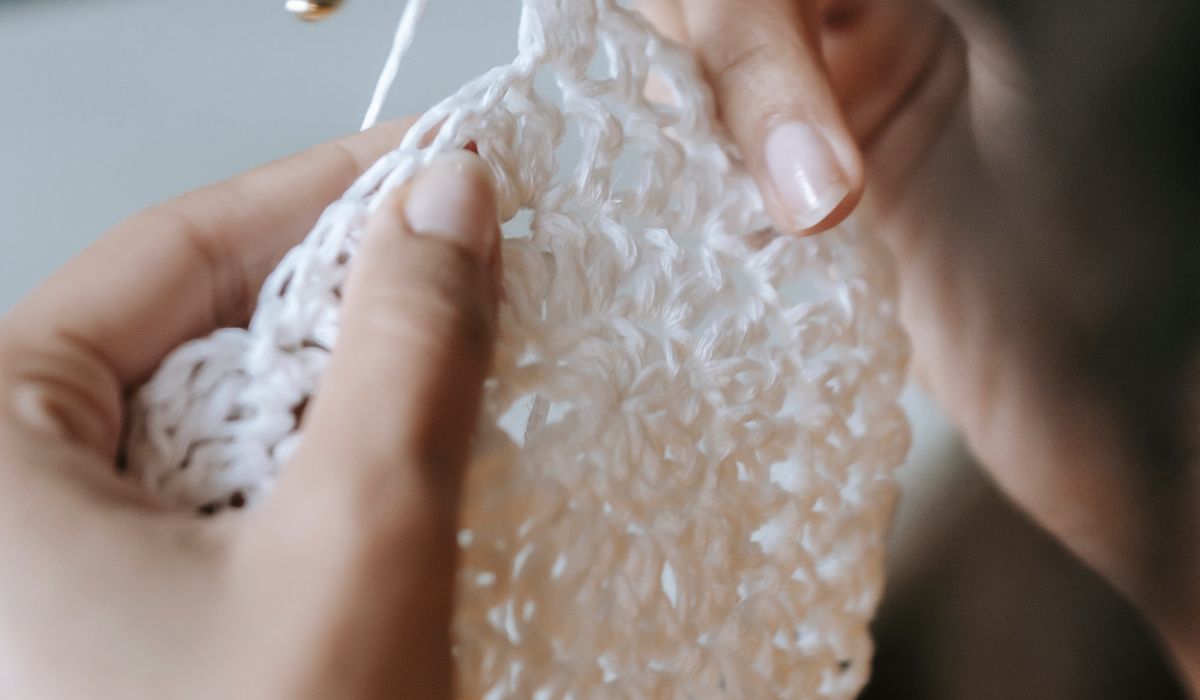
This is where your crafting comes into its own. A chunky knitted throw in aran weight wool takes a few evenings of simple garter stitch and will be used every single day from October to March. Patchwork cushion covers made from fat quarters let you use up scraps and change the look of the nook for the cost of a zip. Corduroy, velvet and brushed cotton all feel lovely against the skin, so mix a smooth and a textured cushion rather than buying a matching pair.
One practical note: keep a small basket beside the chair for the throw when it is not in use. It sounds fussy, but a nook that stays tidy is a nook that stays inviting.
Get the Lighting Just Right
Overhead lights flatten a corner and make it feel clinical. Aim for two or three small light sources instead, all on the warm side — around 2700K — and all dimmable if you can manage it. A floor lamp behind the chair angled over your shoulder gives you light on the page without glare in your eyes. An adjustable wall-mounted reading light is even better in a tight space and avoids trailing flexes across the floor.
If you rent and cannot rewire anything, plug-in wall lights with a fabric cable and a discreet cable clip are a neat solution. Add a candle or a small battery lamp on the shelf for evenings when you want atmosphere rather than brightness, and put the whole lot on a timer plug so you are not fumbling for switches with a book in one hand.
A Small Shelf for Books and Craft Magazines
You do not need a full bookcase. A single wall-mounted shelf at roughly eye level when seated keeps your current reading within reach and gives the nook a focal point. A picture ledge works well too, letting you face a few favourite books and magazines outward so they act as decoration.
- Keep it shallow: 15–20cm is plenty for paperbacks and most magazines.
- Use magazine files: cover plain card ones in leftover wallpaper or book cloth for a tidy, matching row.
- Sort by mood, not alphabet: a shelf of comfort reads, a shelf of craft titles you actually use.
- Add hooks underneath: a row of small cup hooks holds a bookmark, scissors and a tape measure.
If you would rather keep the lines clean, a shallow basket on the floor beside the chair takes overflow and hides the magazines you have not got round to reading yet.
Personal Touches That Make It Yours
Finish the space with two or three things that mean something: a framed print of a place you love, a jam jar of pens and a notebook for jotting patterns, an embroidered book sleeve, a piece of bunting strung across the alcove. A small side table — even a stack of two old crates painted in a chalk finish — gives you somewhere to land a mug without balancing it on the arm of the chair.
Then use it. Ten minutes with a book and a brew, every evening, is the whole point. Everything else is just the setting for that.





John Doe
14 January, 2022Having no content in post should have adverse..
Chauffina Carr
10 April, 2022We use these tests all time! Killer stuff!
Jim Séchen
16 July, 2022Thanks for all the comments, everyone!