

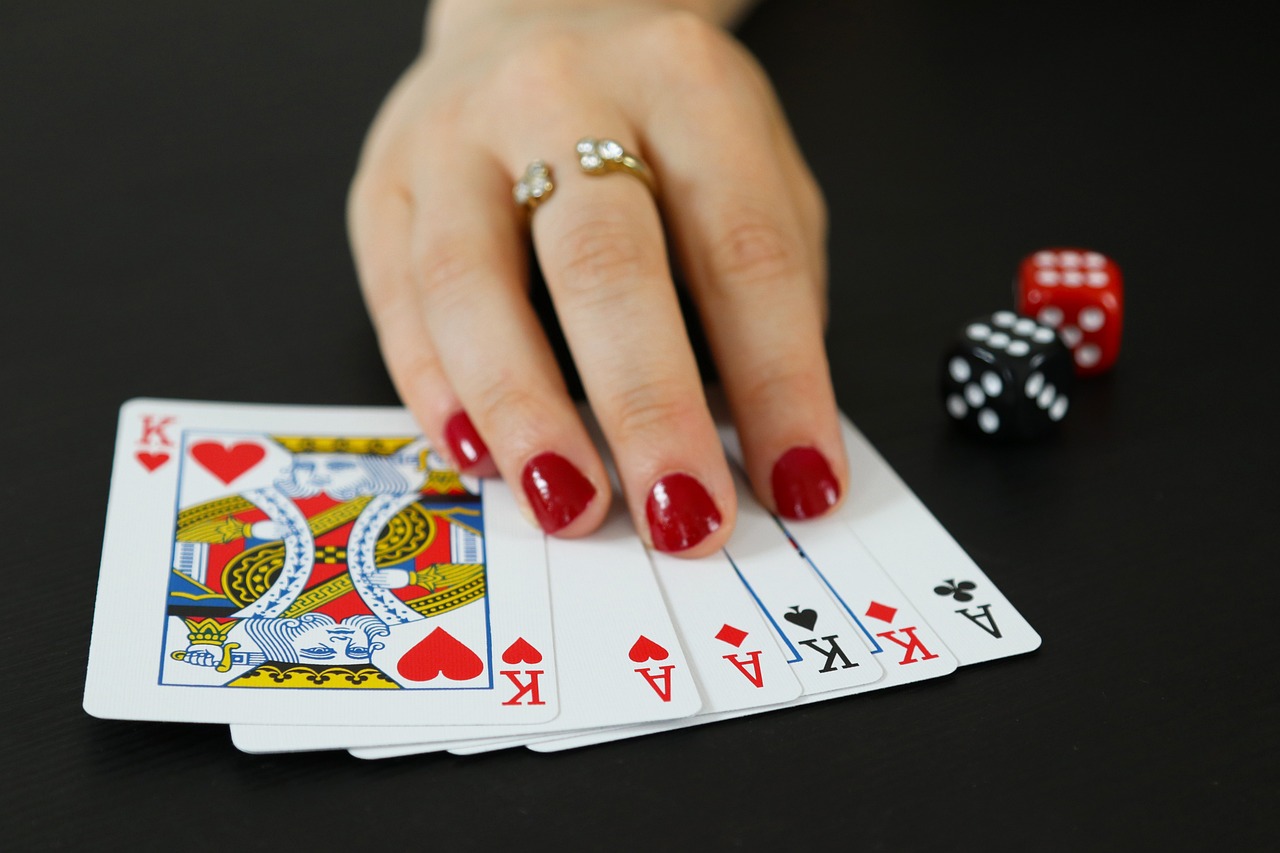
Walk into any online casino lobby and you'll see it immediately: a wall of flashing thumbnails, jackpot tickers climbing into the millions, and a poker table waiting in the corner like the quiet kid at a loud party. The iGaming world is enormous, but it's also deeply misunderstood. Most players never look past the spin button or the bet slip, and that's exactly why the house keeps smiling.
This isn't a lecture about quitting. It's the opposite. If you're going to spend real money on slots, sports betting, or poker, you should understand the machinery underneath. Let's pull back the curtain on how these games actually work, where the value hides, and how smart players separate entertainment from a slow bleed.
The House Edge Isn't a Scam, It's a Business Model
Every casino game has a built-in mathematical advantage for the operator. That's not corruption; it's how the industry survives. The question is how big that edge is and whether the game gives you enough entertainment per dollar to justify it.
Compare the common options:
- Blackjack with basic strategy: house edge around 0.5%. One of the best bets in the building.
- Baccarat on the banker hand: roughly 1.06% edge.
- European roulette: 2.7%, thanks to a single zero.
- American roulette: 5.26%, because of that extra double zero.
- Slots: anywhere from 2% to 15%, depending on the game and the casino's RTP setting.
- Sports betting: typically 4% to 10% built into the odds, called the vig or juice.
Notice the pattern. The games where you make decisions, blackjack, baccarat, poker, give you a fighting chance. The games where you just press a button, slots being the obvious example, extract more per hour. That's the trade-off: convenience and flashy visuals cost you.
Slots: High Variance, Low Effort, and the RTP Trap
Slots are the cash cow of iGaming, generating the majority of online casino revenue worldwide. They're also the most misunderstood. Two numbers matter more than anything else: RTP and volatility.
RTP, or return to player, is the percentage of all wagered money a slot pays back over millions of spins. A 96% RTP slot keeps 4 cents of every dollar, on average, over the long run. A 94% RTP slot keeps 6 cents. Over a few hundred spins, that difference is brutal.
Volatility describes how the slot pays. Low volatility means frequent small wins. High volatility means long dry spells punctuated by big hits. A 96% RTP game with extreme volatility can drain a $200 bankroll in twenty minutes, even though the math says you'll eventually get most of it back.
Here's what experienced slot players actually do: Anyone weighing up options should see สล็อต.
- Check the RTP in the game's info screen before spinning. Anything below 95% is a red flag unless you love the theme.
- Find the volatility that matches your bankroll. A $50 bankroll should not be chasing a 50,000x max win on a highly volatile slot.
- Set a loss limit before the first spin. Not after. Before.
- Treat bonuses with wagering requirements as math problems, not free money. A 40x wagering requirement on a $100 bonus means you need to bet $4,000 before withdrawing anything.
One more thing: the jackpot ticker on a progressive slot is not a signal. It's a marketing device. The odds don't improve because the number is bigger, though the expected value can shift slightly when a jackpot grows huge. That's an edge case, not a strategy.
Poker Is the Only Game Where You Beat People, Not the House
Here's the fundamental difference. In slots and most table games, you're playing against the casino's math. In poker, you're playing against other humans, and the casino just takes a rake, typically 5% of the pot up to a cap. That means a skilled player can actually win long term.
That's not a motivational slogan. It's math. If you're better than the average player at your table, the rake is the only thing standing between you and profit. If you're worse, you're the fish.
What separates winning poker players from losing ones at low stakes:
- Position awareness. Acting last gives you information. Playing too many hands from early position is the most common beginner leak.
- Bankroll management. Serious cash game players keep at least 20 to 30 buy-ins for their stakes. If you have $500, you play $0.10/$0.25, not $1/$2.
- Hand selection. Tight is right at low stakes. Fold the junk and wait. It's boring. It's also profitable.
- Reading bet sizing. Small bets often mean weakness or a draw. Big bets usually mean strength. This isn't absolute, but it's a starting heuristic.
Poker tournaments flip the dynamic. You can only lose your buy-in, but the upside is enormous. A $20 tournament can pay out thousands. That's why they're so popular, and why variance can crush you if you don't play enough volume.
Sports Betting: Where Sharp Money Lives
Online sportsbooks have exploded in popularity, especially in regulated markets. The appeal is obvious: you know football, you watch basketball, so betting on it feels like informed entertainment. Sometimes it is. Often it's not.
The biggest myth in sports betting is that picking winners is the hard part. It isn't. The hard part is beating the closing line, which is the final price before the game starts. That line represents the collective wisdom of the market, including sharp bettors and syndicates with massive bankrolls. If you consistently get better odds than the closing line, you're a long-term winner. If you don't, you're paying the vig repeatedly until your bankroll disappears.
Practical tips that actually matter:
- Line shop. Different books offer different prices on the same game. Getting -105 instead of -110 on a coin-flip bet is a massive edge over hundreds of bets.
- Avoid parlays as your main strategy. They're fun, but the house edge compounds with every leg.
- Track every bet. Not just the winners. You need to know your actual ROI, not the version you remember.
- Ignore tipsters who show screenshots of winning tickets without showing the losses. That's cherry-picking, not proof.
The Responsible Gambling Conversation Nobody Wants to Have
Everything above assumes you're playing with money you can afford to lose. The moment that stops being true, no strategy, no RTP chart, no poker range guide matters. iGaming is designed to be immersive. That's the product. Flashing lights, near-miss animations on slots, the rush of a live dealer calling your number. It's engineered to keep you playing.
Set limits in the casino's own tools, deposit limits, loss limits, session reminders. Use them even when you don't think you need to, because the version of you that needs them won't have the discipline to set them.
Final Thoughts: Play Like You Understand the Game
The iGaming industry isn't going anywhere. Slots will keep evolving with better graphics and wilder mechanics. Poker will keep rewarding patience and punish ego. Sports betting will keep offering that seductive illusion of control. What separates a casual player from a losing one isn't luck. It's information.
Know the house edge. Respect variance. Treat bonuses as contracts. Track your results. And remember that the best players in any game, whether they're grinding micro-stakes poker or hunting slot jackpots, are the ones who treat it as entertainment with a cost, not a paycheck waiting to happen. Play smart, play within your means, and the experience stays exactly what it should be: fun.






John Doe
14 January, 2022Having no content in post should have adverse..
Chauffina Carr
10 April, 2022We use these tests all time! Killer stuff!
Jim Séchen
16 July, 2022Thanks for all the comments, everyone!