

A 96% RTP slot does not mean you'll get back 96 euros for every 100 you feed it during a session. It means that, over tens of millions of spins across thousands of players, the machine will return 96% of everything wagered and keep 4%. That distinction—between long-run theoretical return and what actually happens to your bankroll on a Tuesday night—is where most players get confused. And once you understand it properly, you'll make smarter decisions at every game you touch.
RTP, House Edge, and Why 3% Is a Big Deal
Every casino game has a house edge baked into its rules. The edge is the mirror image of RTP: a game with 96% RTP has a 4% house edge. Sounds tiny. It isn't, and here's why.
If you wager €1,000 on a 96% RTP slot, your expected loss is €40. If you wager that same €1,000 on a 92% RTP machine, your expected loss jumps to €80. Same amount wagered, double the bleed. Over a hundred sessions, that gap compounds into real money. This is why experienced players treat RTP as a filter: below a certain threshold, they simply won't sit down.
For comparison, here's roughly how the main iGaming categories stack up:
- Blackjack (basic strategy): 99.5% RTP, 0.5% edge
- Baccarat (banker bet): 98.9% RTP, 1.06% edge
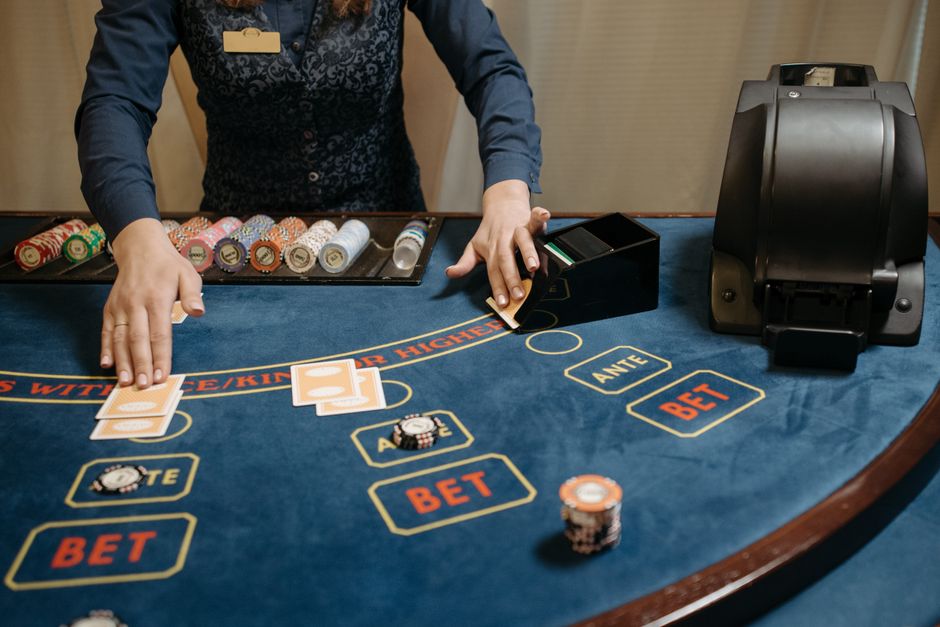
- Casino hold'em: 97-98% RTP
- Video poker (Jacks or Better, perfect play): 99.5% RTP
- European roulette: 97.3% RTP
- Online slots (average): 94-97% RTP
- American roulette: 94.7% RTP (double zero kills you)
- Keno: 70-80% RTP
Notice anything? The games with the least flash—blackjack, video poker, baccarat—are the ones where the math favors you most. The games with spinning reels and explosions and jackpot sirens are the ones where the house edge is widest. That's not a coincidence. It's a business model. A detailed guide is available at Rikvip.
The Slots Trap: Volatility Is the Real Story
Here's the part the RTP number hides: volatility. Two slots can both have 96% RTP and behave completely differently.
A low-volatility slot pays out frequently—small wins, grinding sessions, slow bleed. A high-volatility slot pays rarely but can yield huge multipliers. Megaways games, for example, often sit at 96%+ RTP but can eat 500 spins before coughing up anything meaningful.
What does this mean in practice? If you're playing with €50 and want an hour of entertainment, a low-volatility slot will stretch that budget. If you're chasing a 5,000x payout, you need the bankroll to survive the drought. Playing a high-volatility game with a thin bankroll is how players bust in twelve minutes and blame the machine.
A useful rule: match volatility to your session length. Short session, low volatility. Long grind with upside ambitions, high volatility plus a deeper budget.
Poker: The Only Game Where You Play Against People, Not Math
Poker occupies a strange spot in iGaming. There's no house edge on the hand itself—the house takes a rake, usually 5% of the pot up to a cap. That means your long-term win rate isn't determined by RTP at all. It's determined by how well you play relative to the other players at the table.
This is why poker is the one discipline where a skilled player can sustain a win rate. Your edge comes from opponents making mistakes: calling too wide, bluffing too much, folding to obvious value bets. Every unforced error at the table is essentially free money transferring to the better players—and the rake is the tax on the whole ecosystem.
Two practical points for iGaming poker specifically:
- Track your hands. Without a HUD or at least a spreadsheet, you will misjudge your own leaks. A player who thinks they're break-even but is actually losing 3bb/100 hands won't fix it because they can't see it.
- Rake structure changes everything. A 5% cap at €10 plays far better than 5% uncapped. At micro-stakes, rake can swallow most of a marginal win rate. Move up only when your bankroll and skill both justify it.
Betting Markets: Where the Odds Actually Come From
Sports betting odds aren't mystical. They're probabilities with a margin stitched in. If a book prices a match at 1.90/1.90 on a two-way market, that implies 52.6% for each side—totaling 105.3%. The extra 5.3% is the vig, the bookmaker's cut.
Sharp bettors hunt for the moments when that margin is thin or when a book has mispriced a market. A 2% edge on a 100-bet sequence at flat stakes won't make you rich, but over thousands of bets it separates winners from losers. The trap for casual players is parlay betting: roll three -110 legs together and the vig compounds, quietly destroying your expected value even when you win.
A concrete example: a single -110 bet needs a 52.4% win rate to break even. A three-leg parlay of -110 favorites pays around 6-to-1 and requires about a 14.5% hit rate—but the true probability of all three landing, if each is genuinely 50/50, is 12.5%. That gap is the vig eating you alive.
Practical Takeaways Worth Remembering
- Read the RTP before you spin. Anything under 95% is a tax you don't need to pay, given the alternatives available.
- Match volatility to bankroll. Don't play Megaways with a €20 deposit unless you're fine busting fast.
- Prefer games where skill matters. Blackjack with basic strategy, video poker with a pay table, poker with discipline—all give you a fighting chance against the house.
- Understand the vig. Every betting market includes a margin. Account for it before you decide a price is "value."
- Use bonusses carefully. Wagering requirements of 35x on a €100 bonus mean you must stake €3,500 before withdrawing—at 96% RTP, an expected loss of €140. Bonuses aren't free money; they're subsidized risk.
The Conclusion That Actually Matters
The iGaming industry is engineered around one principle: the math always wins eventually, and your job is to enjoy the ride while paying as little edge as possible. That means avoiding the games with brutal house edges, understanding the difference between RTP and variance, and respecting the vig in betting markets. Slot players can't beat the math, but they can pick machines that bleed slower. Poker players can beat the math, but only if they put in the study. Bettors can profit, but only by finding genuine mispricings. No matter which vertical you play in, the smartest move is the same: treat every euro staked as a cost, not a promise. Do that and you'll enjoy the games for what they are—entertainment with a known, manageable price tag.






John Doe
14 January, 2022Having no content in post should have adverse..
Chauffina Carr
10 April, 2022We use these tests all time! Killer stuff!
Jim Séchen
16 July, 2022Thanks for all the comments, everyone!